 February 1st, 2010 |
  Author:
 X-Posted from DundeeMedEd
The ITA staff, and the medical computing staff, have arranged a trial of a SMART-board – an interactive whiteboard. What is an interactive whiteboard? The idea is this:
A normal, standard projector, projects an image against a specialised board with a “sensor array” behind it. Specific “pens” can be used to draw on the screen, or move anything projected onto the screen; basically think Minority Report, but in 2D. It’s more like the screens they use in CSI, or Silent Witness.
So why should we be excited about an interactive whiteboard? The obvious advantage is to be able to combine high fidelity images and slides, with hand drawn annotation, or doodling; a combination of a flip chart/blackboard with powerpoint/keynote. More interaction with the presenting material.
So how did it go? I have to admit to being fairly thoroughly underwhelmed. Problems:
The projector/board set up has to be set up and calibrated every time it’s moved. This might not be a big problem if the system is set up permanently in one place, but one of the main attractions of the system is that it is portable, moveable between sites, and around the room. The more expensive versions have built in projectors above the screen, but they still need recalibrating every time they’re moved.
The projector, no matter whether it is in front, or above the screen, casts a shadow. We’ve all been in lectures where the lecturer decides to forgo the mouse pointer, or the laser pointer, and use a finger at the end of an arm to point to something on the screen. A bloody great shadow appears over the screen, obliterating what we’re trying to see. This is inherent in the system of projection, and I think might be a big stumbling block
The calibration is not perfect. Today the finger needed to be a good 3 cm below where one wanted to “click”. I found myself using the trackpad on the MacBookPro, as it’s accurate.
The software is complex. Very complex. I’m told that the presentation given by the rep was a magical tour de force of Minority Report standards: grabbing youtube videos, clipping flash objects, pushing and pulling objects around, exporting as a PDF, recording a video of the presentation. But today, sans rep, we couldn’t import a PowerPoint presentation, struggled with the tools, and I left feeling as though we’d spent 40 minutes faffing around.
That all seems a bit negative, but it is my first impression of the technology. There are potentials for improvement: I’m told that there is an overlay to put on a large screen TV which allows the finger to be used on the screen, in the aforementioned interactive manner. This is a much more attractive proposition to me – no shadow on the screen, permanent calibration (once the overlay is laid), and it can be moved about, so long as the screen is on a stand with wheels, of course. But the presenter still has to stand in the way of the screen to write on it.
So, what alternatives would I propose? Powerpoint already has an overlay solution – a click of the semi-transparent pen button allows the presenter to doodle on the screen, albeit with a mouse, rather than a pen. The doodler stands at the computer screen, not the big screen all the learners are trying to see. So it’s hard to write with a mouse, but it is built in, on the PC version of PP, at least.
What about “just” Powerpoint/Keynote? I put a lot of effort into my Keynote presentations – I know what I’m going to do during the lecture, so I make the appropriate animations, focuses, and builds to make the presentation interesting, or I like to think so.
So why do I need an interactive whiteboard? I don’t think I do, to be honest. I do my version of Just In Time Teaching with a flip chart and a connection to the internet – it fits the way I teach, so why complicate things?
This is my wish-list, for a presenting tool :
It needs to be better than what I have now; better, that is, than Keynote, Powerpoint, a flip chart, a connection to the internet, and me.
I want to be able to write on the presentation: using a mouse or trackpad is cumbersome, and my handwriting is bad enough already. I am a doctor, after all.
I want to be able to do the writing/moving/annotating/doodling without obliterating the presentation. Ideally I want to doodle on a separate screen, ideally hand held, and the image appear on the TV or projected up on the wall.
I think this is already in (near) existence. I know I’m an Apple maniac, but surely the iPad has a massive potential in this regard. We heard from Uncle Steve last week that the iPad will connect to a projector (I already have the connector, to connect my iPhone to the big TV in our seminar room), and we saw the Keynote app. demonstrated ably on the iPad, and the big screen. Was I the only person who, on seeing the drawing app. immediately thought of overlying the drawing app onto Keynote? Immediately we have the ultimate interactive presentation tool – I can move my Keynote presentations to the iPad, connect to a projector, wander with the iPad in hand, and use my stubby index finger to point, draw, animate, and navigate my presentation. Over 100,000 apps on the app store – someone with an SDK *must* be working on “my” app, mustn’t they?
The trial of the SMART board continues, and we will try to climb the steep learning curve. I think there is a will to get this kit for the medical school. If we do get them, there will need to be a significant investment in staff development to get anything like the most out them.
And me? I’ve put in a note of interest for an iPad, of course.
 Posted in Medical Education |
  Tags: DundeeMedEd, iPad, Keynote, Powerpoint, Presentations, Whiteboard |
  8 Comments »

Should this patient stop smoking?
One of my more cynical colleagues says “Why stop now? The outlook is terrible, it’s their only pleasure in life, the damage is done”. Our oncological colleagues are adamant that chemotherapy is more effective if the patient stops smoking, and “reduces the risk of second primary”.
So what should we be telling our patients? What this needs is a bit of evidence base, I suspect.
This week’s BMJ has an editorial, and a meta-analysis on smoking cessation in early lung cancer. They conclude that it’s never too late to stop, even in early lung cancer.
The difficulty putting this data into clinical practice in Dundee, though, is that we don’t see very much limited stage lung cancer. Well over 80 % of our presenting lung cancer is Stage IIIb or above (In the old system – it’ll be a higher with the new system, I’m sure). What do we tell someone with stage IV NSCLC, with a life expectancy of 2 months?
I think the message here, kids, is: don’t smoke in the first place.
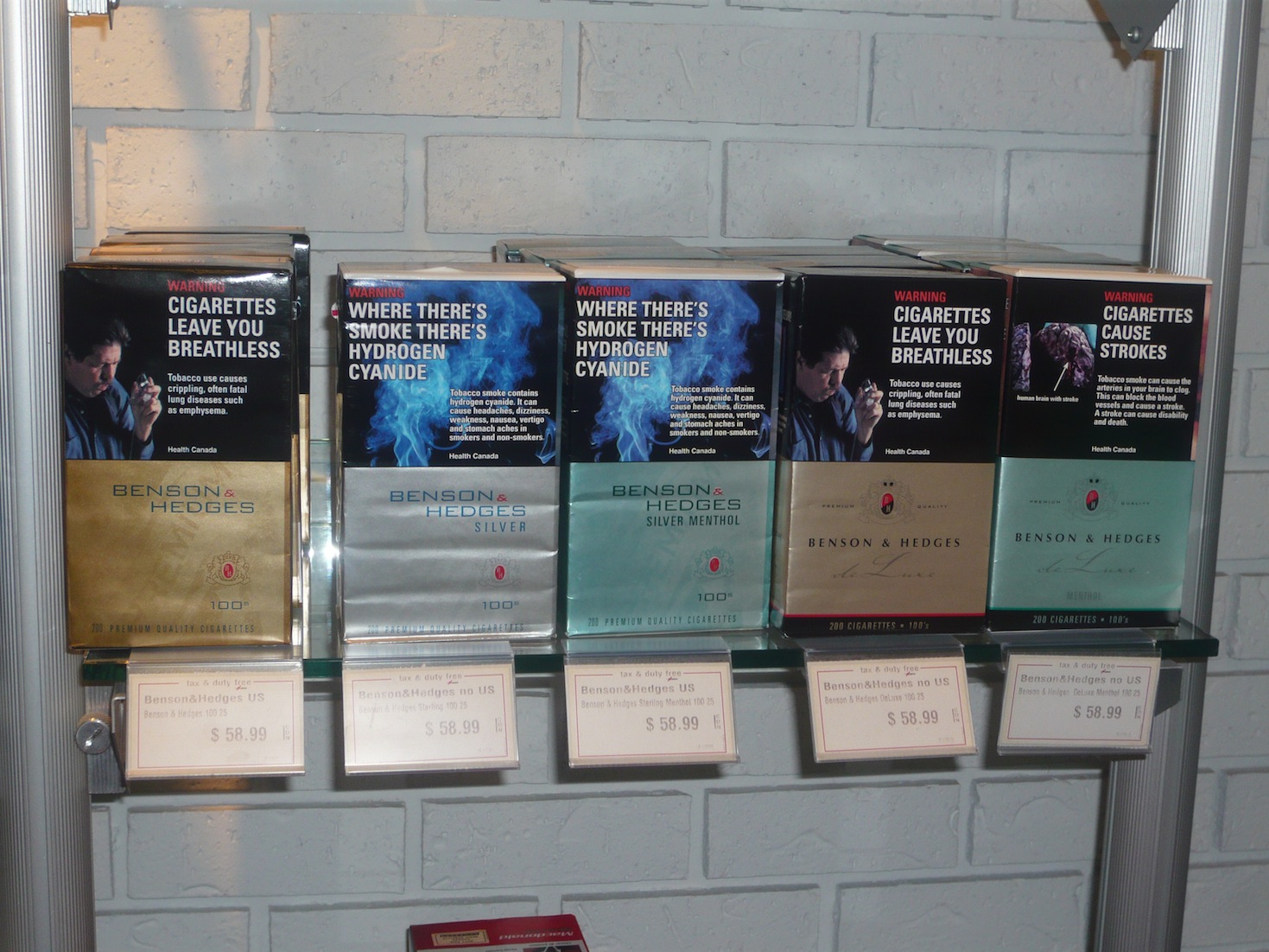 Cigarettes on display in a Canadian duty free store | The Scottish Government voted 108 vs 15 to ban the open display of cigarettes in Scottish stores, the BBC News website reports |
The Tobacco and Primary Medical Services Bill will also ban cigarette vending machines and introduce a registration scheme for retailers.
BBC News Website
Large stores have until 2011, smaller stores until 2013, to remove all displays of cigarettes and vending machines.
Opposition leader John Drummond of the Scottish Grocers’ Federation is quoted as saying:
The evidence that this will actually stop young people smoking just isn’t there
John Drummond, Scottish Grocers’ Federation
Good grief, man. When did we start to need evidence about such obvious measures? Out of sight, out of mind, anyone? I think it’s a fantastic piece of legislation, but I hope just the start. In some parts of America, where smoking has been banned in public places for some time, smokers are looked on with disdain, and perhaps a bit of pity; in the UK we’re still making jokes about smokers standing out in the rain…
Dropping smoking rates might put me out of a job, but it’ll take 20 years, so my pension is safe. I jest – I would be overjoyed if every smoker in the country stopped today, and lung cancer all but disappeared from routine medical practice. I’m sure the cardiologists feel the same about ischaemic heart disease.
Scotland certainly leads the rest of the UK in this, I’m not sure about the rest of Europe…..
Posted in Featured, General Respiratory |
Tags: Ban, Legislation, Lung Cancer, Scotland, Smoking |
No Comments »
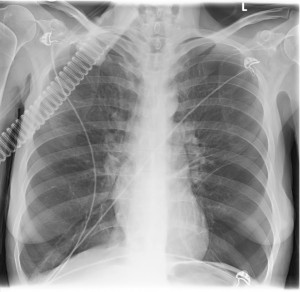
Describe the CXR Findings
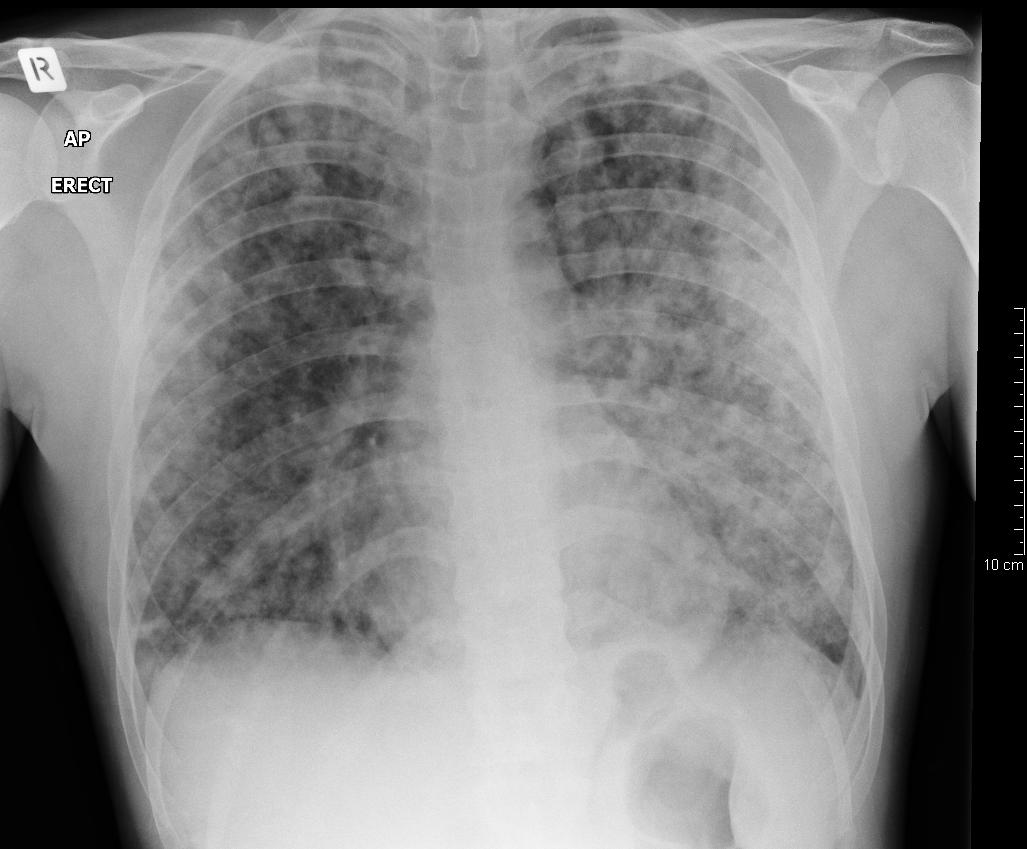 Life In The Fast Lane‘s Latest Pulmonary Puzzle is a very nice example – take a look here. If you don’t have Life In The Fast Lane bookmarked yet, I strongly encourage you to do so – it’s one of the best all round medical blogs I’ve found, and it keeps a wry sense of humour to boot. It’s particularly useful if you want to be an A&E doc, but helpful to all.
And the Pulmonary Puzzles are spot on!
Posted in Featured, Pulmonary Puzzle |
Tags: Life In The Fast Lane, Pulmonary Puzzle |
No Comments »
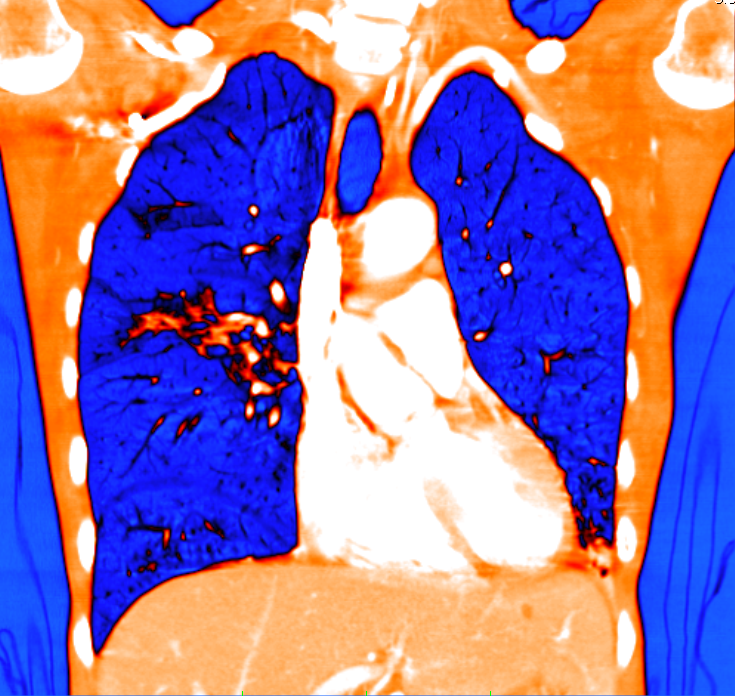 I just need a second post to test the system!
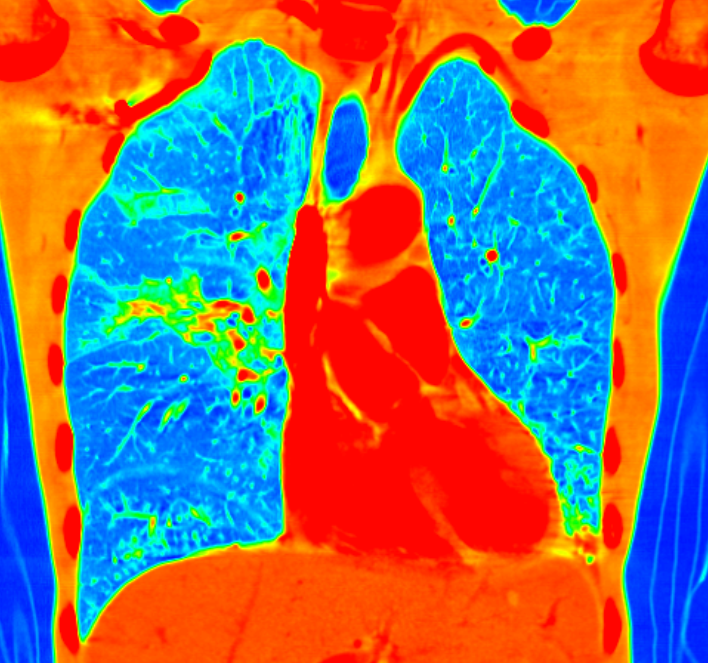 Another year, another go at making the website more functional and more appealing to you, the reader.
This means a new hosting service; a dedicated lifelone URL; a switch to WordPress self hosting; and trying out new themes. This one is attractive, for sure, but it doesn’t handle drop down menus. It does have this lovely featured post bar at the top though. The theme is called Nofelia.
We’ll see.
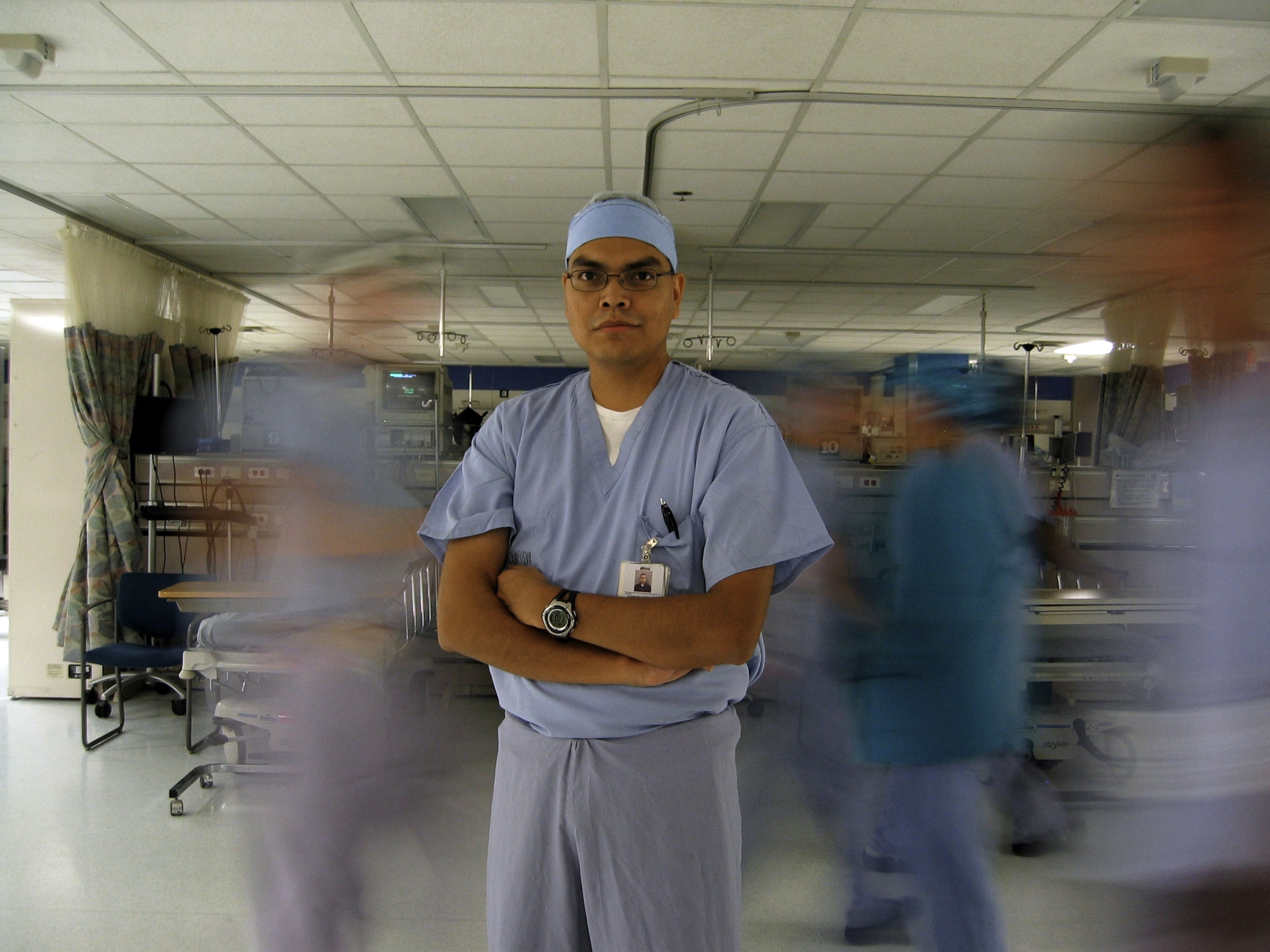
NIght shifts can be a bit of a blur. Creative Commons License Photo
A group from Innsbruck have now show that working night shifts is bad for our cardiovascular systems. Not a great shock – I remember in Falkirk, years ago as an SHO I took part in a study where we measured ambulatory blood pressures whilst on day shifts and night shifts. It clearly showed elevated diastolic pressures throughout the night, even if asleep…
So will I end up doing nights again? Probably. The reduction in junior doctor numbers, and hours, means we will doubtless have to fill the gaps with consultant hours. This creates a big issue – who will do my clinic in the morning, if I’m up at night in HDU putting in central lines, and managing unwell patients?
And do we ask my more ‘senior’ colleagues to do nights shifts after not doing them for 15 – 20 years?
Edit 31/01/10: BMJ Careers this week has an article written by a new consultant who has taken on a post as a “Hybrid Consultant”. She seems very happy with the role, it sounds like a terrible idea to me…

Alternative medicine, irks me. Complimentary medicine I have no problems with whatsoever, but I find it very difficult to accept those who shun accepted medical practices in favour of solely alternative therapies. Homeopathy particularly. So the folks over at Homeopathy 1023 are trying to show the lack of efficacy of homeopathic treatments by encouraging a deliberate mass overdose of a homeopathic treatment.
The new BTS Asthma guidelines review the evidence for alternative therapies, eventually concluding that there is no evidence to support any homeopathic treatment in asthma, along with dietary supplements, electrolyte supplements, ionisers, buteyko technique….
“Do you know what they call alternative medicine that’s been proven to work…..? Medicine” – Tim Minchin, “Storm”.
Not strictly safe for work this next video, but if you have 9 minutes to listen to a beat poem….

Image from Face of a Dreamer Flickr Stream
The mainstay of COPD management is bronchodilatation – the local, and national guidelines rely on beta-2 agonists, and anti-cholinergics. Recent(ish) data from the TORCH study suggested that inhaled corticosteroids increase the risk of fatal and non-fatal pneumonias.
Unopposed long acting beta agonists have been linked with increased cardiovascular death in asthmatics, although not in COPD. The most recent ’scare’ has been whether Spiriva increases cardiovascular death in COPD patients. Today the FDA rule that there is no compelling evidence to that effect.
To learn more about COPD visit the COPD GOLD guidelines pages, or the NICE guidelines on COPD. We’ll be updating our local guidance on COPD soon, so keep checking the Knowledge Base section for updates.
To see some patients with COPD, come to ward 3, any day of any week!


