Author Archive
 January 26th, 2011 |
  Author:
 DUSA have just announced their Inspire awards – student voted awards for teaching excellence throughout the University.
Visit the page on the DUSA site to read more about it. It would be great if the medical school were to be represented in these University wide awards…
And whilst we’re here – don’t forget about the FaME academy awards. The medical school’s own awards for teaching excellence. You can vote for your favourite lecturer, bedside teacher, supervisor, or tutor. You can find voting forms around the medical school.
Not to upstage our own PRN vodcast team, who you really ought to go visit asap, the Podmedics podcasts are worth a watch. There’s a huge back catalog to go through, but the most recent one is on Pneumonia. Apart from the sea sickness inducing presentation graphics, and the slightly monotone delivery, it all makes sense, and is worth a watch if you’ve forgotten the bons mots we shared back in October….
A 3rd year student, who shall remain anonymous, e-mailed me this week to ask me the names of the Ninewells A&E consultants.
Or she could have walked down to A&E, and asked anyone wearing scrubs where the consultants are.
I mourn the loss of initiative, to be honest. And I don’t really blame the student in question – she’s actually one of the more keen students. Is it really easier to e-mail the Phase 2 convenor than to take either of the other options above?
Sigh.
After a short delay, we have now received the feedback from the phase 2 students for the respiratory block. 69 of the second year responded, which is a little disappointing, but the comments have proved to be very valuable, both negative and positive.
A more comprehensive response will follow, but for now, the main issues raised by the students are.
1. The order of the lectures is not always helpful.
2. The ward based teaching is too variable, with some students getting a lot out of it, and some not.
3. The students like the study guide (which I had thought you all wouldn’t, TBH), and want paper copies of it earlier.
We will be focussing on these issues primarily for next year, so thank you for the feedback. I was particularly encouraged that there were no complaints about lack of formative assessment in the block, in stark contrast to last year!!!
Positives were numerous, but the top 3
1. The ABG tutorial went down a storm, and Dr Stretton’s delivery particularly. In my defence, I did *write* the tutorial…. 😉
2. The MDT was well liked, but I totally accept that the roles should be rotated for each case
3. Changing private study into small group sessions was universally liked, with no-one asking for more private teaching time.
DundeeChest was well liked, and most of you preferred it to BB, apart from one person who prefers the BB discussion forums.
The chest block endeth. It’s gone well, from my end at least.
Tomorrow is the end of block feedback session. I strongly encourage you to come along, press some buttons, and let us know your unabashed feedback on the block. We’ll ask you to answer some questions, then we’ll open the floor for you to ask us some questions.
The other thing to mention is for group B2 – I am supposed to be teaching you on the wards at 2. Unfortunately I have to meet a family of a patient at 4, so can we bring the teaching forward to 1? It also means that you’ll get away early, it is POETS day, after all.
TCF
I have no idea why people are unable to download this content from BlackBoard. I sent the material to the medical school on the 23rd September, but people are unable to get at it.
Therefore, here it is for download here:
Yr 2 RoCE student instructions 2010
I have asked the medical school to put the files in a more visible space, but for now, you can get at them here.
This message is for group B2.
Due to a massive cock-up in ward staff communication, I seem to have lost you. I was timetabled to teach you on the ward today at 2. I was called away urgently to see a CF patient in the clinic, so ‘phoned ahead to the ward to ask the ward staff to allocate patients for you to see. Then some 3rd years turned up for a different teaching session, were allocated your patients, and the junior doctors sent you away.
The juniors told me you were coming back at 3, so I taught the 3rd years, and waited for you. By 3:45 you had not turned up again, so I’ve given up and come back to my office.
Most unfortunate, all in all. I suspect you got the weekend itch, which is fair enough.
So, we should try to reschedule for next week.
Let me know when you’re free.
TCF
The MDT sessions seem to be going well enough. There’s been subtle iterations through the week, and tomorrow I might even manage to fit everything in. A couple of you have given some positive feedback about the MDT sessions – I think they have gone well. Most of the decisions have been in line with what happened in real life, which must be a good thing.
I have been disappointed that so few people have read through the information I have provided on “What to tell patients with Lung Cancer” as provided by the BTS. This useful document gives data on what kind of life expectancy lung cancer patients can expect, with and without treatment. We don’t have this data locally, so I can’t really tell you what goes on in Tayside.
On a more positive note, the staff on the ward and in East Block have commented to me that the second years who have come down to the department, been on ward rounds, come to clinics, visited the MDT, have been keen, enthusiastic, and interested. This is a very positive reflection on those of you who have come down, so well done. Someone even came to the real MDT today, to see how it really happens.
Dr Lockhart has given me his 2010 update to his microbiology lecture, so this is now on the microbiology resource page. All the materials from last week’s ITA are now up on the Basic Sciences ITA page too. This week’s MDT materials will go up on line when I get the digital copies from Richard.
Next week I have timetabled a lecture on Respiratory Illness and Oxygen Therapy. This lecture is one I usually leave blank, to give you the choice of what I talk about – last year the choice was Respiratory Illness and Oxygen Therapy. So I’m open to suggestions – what would you like me to talk about on Thursday of next week? I will use some of the time to talk about the RoCE exam, I would quite like to talk about oxygen therapy at some point, but I’m in your hands.
 Posted in Editorial, General Respiratory, Phase 2 |
  Tags: lecture notes, MDT, Phase 2 2010, week 3 |
  No Comments »
The MDT sessions are going well, I think. Monday’s session was a little disjointed, as it was the first ever session, leading to the oncologists having little to do until the MDT itself. To fix this, I wrote some cases for the oncologists to go through in the first 45 minutes, and they seemed to get more out of the session because of it.
Much of the discussion revolves around prognosis, and the benefits of giving chemotherapy to patients, in terms of prolongation of life, and quality of life. Disappointingly no-one had read the information I provided on “What to tell a patient with lung cancer”, which answers much of these questions. The Lung Cancer Resource Page also has on it other interactive resources about lung cancer staging, lung cancer cases, patient journeys etc.
For tomorrow’s session:
1. I will be 5 to 10 minutes late as I have to speak to the 3rd years before coming to the session. So have an extra 5 minutes in bed.
2. I am in the process of updating the materials, particularly for the chest physician group. The new materials can be made available to everyone at the end of the week.
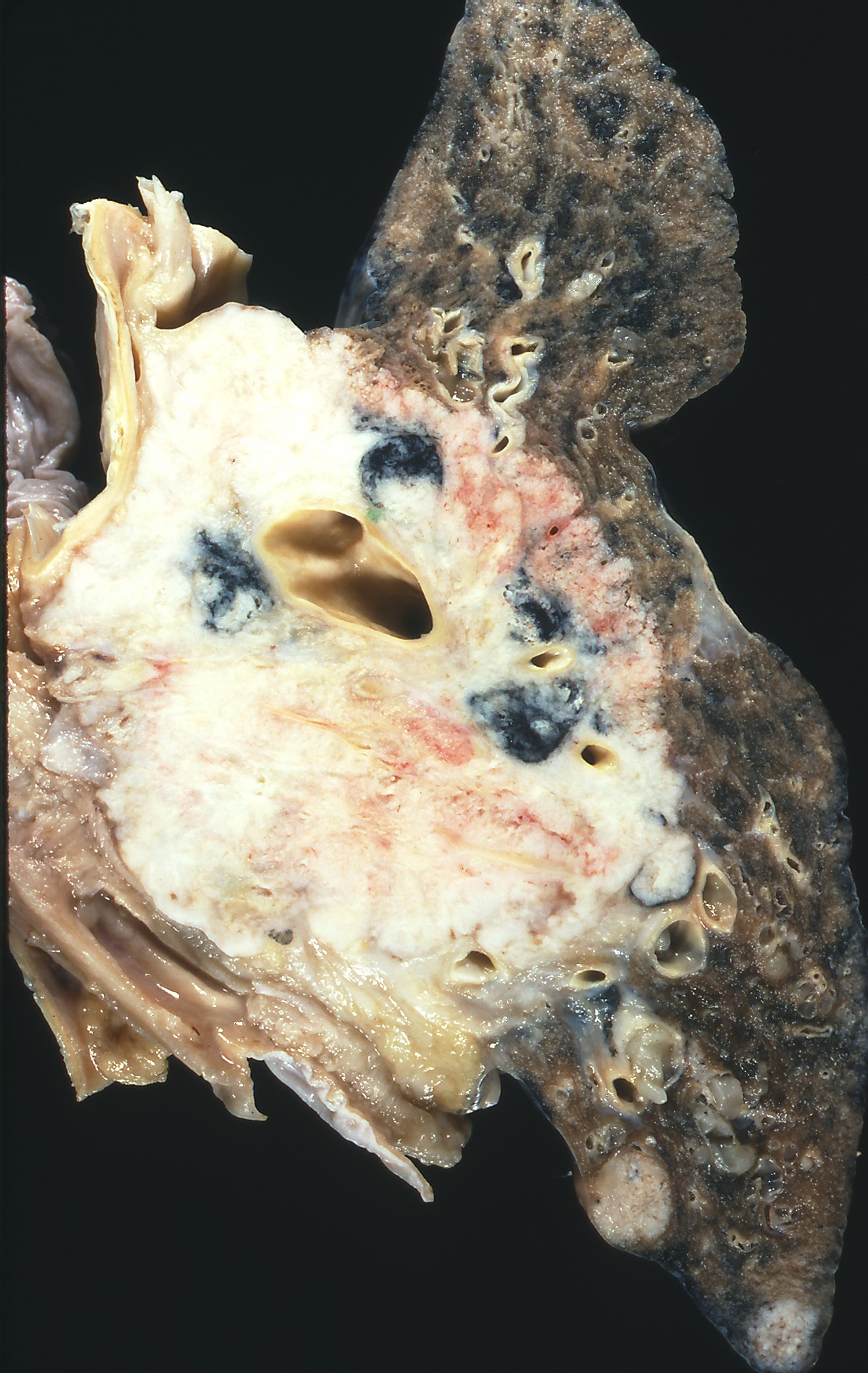 Welcome to week 3. Last week seemed to go pretty well – I got very wet in Barcelona, and Richard managed to keep things moving along nicely back here in Beanoland. I understand that one tutor did not turn up for a ward based session, but this has been re-arranged for this week. The ITA session on spirometry has drawn some positive feedback, along with the very well received Smoking Cessation and Pulmonary Rehabilitation sessions.
Richard’s ABG sessions were the first step on a long journey for every second year – ABG interpretation continues to be complex, but you all now have a solid grounding on which to base your future work.
The core clinical problems session encouraged, and disappointed me. Those who did stay for the whole session sere able to work through the concepts of CCPs, and then specifics of the CCPs in the respiratory block. Half of the year chose to leave the session half way through – I hope you all found something productive to do for that hour.
This week we have already had Dr France’s always well received lung cancer lectures, and the patient journey session with Dr Goudie. The DVD is available to take home, if anyone wants it (Come down to my office, where my secretary can burn you a disc!)
Later in the week will be the brand new MDT sessions, and a mixed bag of lectures on pleural disease, interstitial lung disease, and sleep apnoea. The lectures are up online to browse through now.
All being well, I’ll see you for the pleural disease lecture on Thursday.
Posted in Phase 2, Site Updates |
Tags: Lung Cancer, malignancy, MDT, Phase 2, pleural disease, sleep apnoea |
5 Comments »


